Scott 3200A Tailwheel – Fully Rebuilt: Durable Tailwheel Steering and Landing Gear Solution
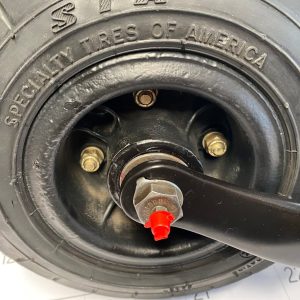
The Scott 3200A Tailwheel – Fully Rebuilt may suit classic airplanes, utility aircraft, bush planes, experimental designs, and other compatible general aviation platforms. The quality of the rebuild depends on workmanship, parts selection, dimensional condition, technical procedures, final adjustment, and available documentation.
A Scott 3200A Tailwheel Assembly can contribute to controlled taxiing, parking, takeoff alignment, landing rollout, and maneuvering in confined ramp areas. The actual condition of a Scott Tailwheel Assembly should be determined through appropriate inspection rather than cosmetic appearance alone.
The Aircraft Tailwheel Assembly carries tail loads while allowing the aircraft to taxi, turn, park, take off, and land on suitable surfaces. The General Aviation Tailwheel should receive maintenance based on actual use, operating surface, contamination exposure, and observed condition.
Whether the project involves a Tailwheel Steering Assembly, Aircraft Ground Handling Tailwheel, or Scott 3200 Series Tailwheel, professional installation remains important.
Overview of the Fully Rebuilt Scott 3200A
Its established design makes it suitable for consideration in restoration projects, utility operations, bush flying, private ownership, and flight training. A system-level evaluation can identify the true cause of binding, looseness, poor centering, irregular tire wear, or inconsistent ground control.
Scott 3200A Tailwheel Applications
Its mechanical configuration can support directional control during normal taxiing while allowing wider turning movement when required. The exact work completed should be listed clearly because rebuilt assemblies may differ in scope and component replacement.
Scott Tailwheel Reliability and Condition
Correct lubrication and careful reassembly help restore smooth movement and reduce unnecessary wear. Buyers should distinguish between cleaned, serviced, repaired, inspected, overhauled, and fully rebuilt descriptions.
Aircraft Tailwheel Assembly Maintenance
The assembly carries tail weight while managing runway irregularities, side loads, repeated landing cycles, and directional forces. A bent or fatigued tail spring can alter alignment and the aircraft’s ground attitude.
General Aviation Tailwheel Applications
Each operating environment places different demands on the tire, wheel, fork, bearings, steering mechanism, hardware, and lubrication. Professional verification helps prevent unsuitable installation and unnecessary project expense.
Aircraft Tailwheel Steering Performance
Its geometry, tire condition, fork alignment, steering arrangement, and internal condition can influence ground behavior. The axle and bearings should be included in routine maintenance and rebuild inspection.
Maintaining a Taildragger Tailwheel
The Taildragger Tailwheel should be treated as an important ground-control component rather than a minor accessory. Taildragger operation may expose the assembly to side loads during crosswind taxiing, landing corrections, tight turns, and directional-control events.
Aviation Tailwheel System Components
Every component influences how steering input reaches the wheel and how operational loads return to the aircraft. Excessive slack can delay steering response, while excessive tension may restrict movement or overload components.
Choosing a Tailwheel Steering Assembly
The mechanism should respond smoothly without sticking, harsh engagement, excessive delay, uncontrolled release, or irregular centering. Hardware should remain secure, correctly sized, and appropriate for the assembly.
Aircraft Ground Handling Tailwheel
An Aircraft Ground Handling Tailwheel supports controlled movement during taxi, parking, towing, hangar positioning, and ramp maneuvering. Towing should use appropriate equipment and procedures that avoid overloading steering arms, chains, springs, forks, or mounting structures.
Choosing a Scott 3200 Series Tailwheel
A professionally rebuilt Scott 3200A can here continue this design heritage while offering renewed mechanical condition. Different Scott 3200 variants, later manufacturing versions, replacement parts, and modified assemblies may exist.
Benefits of a Heavy-Duty Aircraft Tailwheel
A Heavy-Duty Aircraft Tailwheel may be considered for utility, bush, training, agricultural, work-oriented, or backcountry aircraft exposed to demanding ground use. Mud, dust, gravel, and water can shorten inspection and lubrication intervals.
Maintaining Tailwheel Components
Tailwheel Aircraft Parts may include wheels, tires, bearings, axles, forks, steering arms, springs, pawls, bushings, seals, chains, bolts, and mounting hardware. A weak spring, worn bushing, rough bearing, damaged pawl, or incorrect fastener may create movement throughout the mechanism.
Choosing an Aircraft Steering Tailwheel
A rebuilt steering mechanism should be evaluated for smooth, consistent, and repeatable operation. Pilots should use techniques appropriate to the aircraft and avoid unnecessary mechanical stress.
Benefits of a Replacement Aircraft Tailwheel
The rebuilt Scott 3200A should be compared with both the existing installation and the intended aircraft configuration. The replacement should be inspected after delivery for shipping damage, missing components, rough bearings, incorrect hardware, cracks, or visible defects.
Maintaining General Aviation Gear Components
A complete landing gear assessment may reveal concerns beyond the tailwheel itself. The product description should explain whether components are rebuilt, repaired, serviced, inspected, untested, or sold for parts.
Scott 3200A Pre-Purchase Inspection
A pre-purchase inspection should confirm the assembly identity, rebuild scope, structural condition, included components, tire status, steering arrangement, and available documentation.
- Resolve identification, compatibility, and completeness questions before payment.
- Review the rebuild summary for disassembly, cleaning, inspection, bearing replacement, bushing work, spring service, lubrication, hardware renewal, adjustment, and testing.
- Require packaging that protects the wheel, fork, steering arms, mounting surfaces, fittings, and loose hardware from impact and movement.
Installing the Scott 3200A Tailwheel
Every fastener and component should match the intended installation and remain properly secured. The steering linkage should respond properly without restricting rudder movement.
Testing should begin at low speed in a suitable area under safe conditions.
Long-Term Scott 3200A Care
Preventive maintenance can identify wear before it develops into shimmy, binding, looseness, poor steering, or component damage. Recurring shimmy or unusual tire wear should be diagnosed rather than addressed through repeated adjustment without identifying the cause.
Cleaning methods should avoid forcing dirt deeper into bearings, bushings, and internal steering components.
Buying a Fully Rebuilt Scott Tailwheel
For the correct installation, the rebuilt assembly can support directional steering, controlled swiveling, predictable taxiing, and long-term serviceability. A qualified aircraft maintenance professional should evaluate the complete installation before the tailwheel is returned to operational service.
Whether the requirement is a Scott 3200A Tailwheel Assembly, Scott Tailwheel Assembly, Aircraft Tailwheel Assembly, or General Aviation Tailwheel, exact installation details should guide the purchase. With careful selection and attention to the complete tailwheel system, owners can reduce shimmy, binding, irregular steering, looseness, and premature wear.